AI Tools for Tradespeople: What's Worth Your Time and What's Hype
Busy tradespeople don't have time for tools that don't deliver. Here's an honest breakdown from a BC builder who works with trades every day: what AI is actually worth it, and what you can ignore.
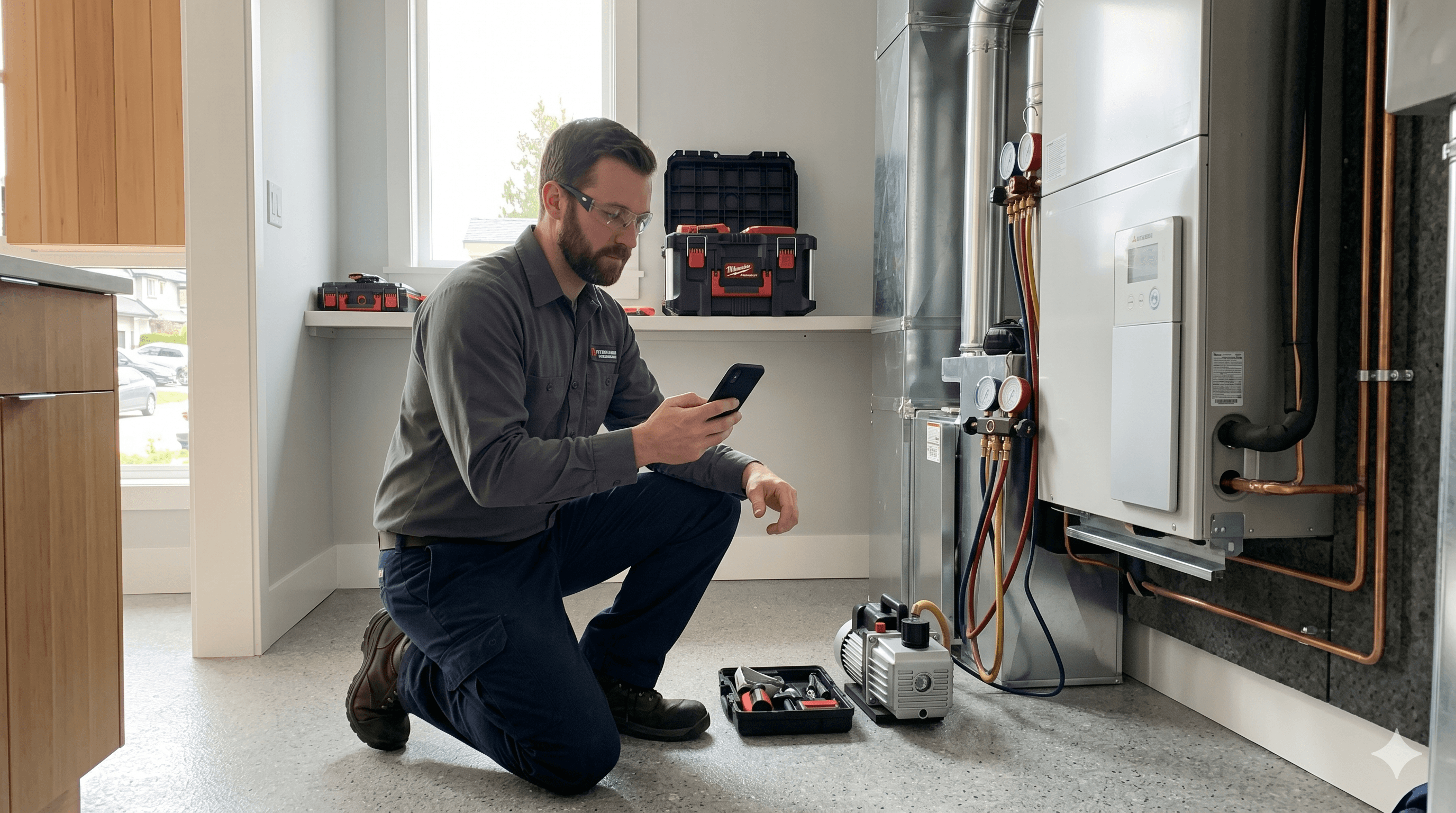
AI Advice
If you're a tradesperson, your time is your inventory. Every hour you spend on something that isn't billable is money you're leaving on the table.
That's the only lens worth using when you look at any AI tool. Not "is this impressive?" but "does this save me real time, and is the output actually usable?"
I'm Ranj Gill, founder of Monolith AI in Surrey, BC. Before I got into AI consulting, I spent years as a custom home builder, which means I've worked alongside plumbers, electricians, framers, concrete crews, and finishing trades on more projects than I can count. I know what your day looks like. I know that most of you are running your entire business from your phone between jobs, and that the last thing you need is another subscription that takes an hour to figure out.
Here's my honest take on what's worth your attention and what isn't.
The Hype (What You Can Safely Ignore for Now)
AI Tools Built Specifically "For Trades"
These are everywhere right now, and most of them are regular software with AI features bolted on as a marketing angle. Before you pay for a specialty tool, ask one question: what is the AI actually doing here? If the answer is "it fills in a template" or "it sends automatic reminders," that's not AI. That's software that's been around for a decade. You're paying an AI premium for something that doesn't justify it.
Some of these tools will genuinely improve over the next few years. Right now, most aren't there yet.
Voice-Activated Job Site Assistants
The concept is promising. The current reality is that they mishear you in noisy environments, lose context, and aren't reliable enough for anything that actually matters. Don't base your quoting, scheduling, or client communication on a voice tool that's still working out the basics.
AI Design and Visualisation Tools
Unless you're a finish carpenter or millwork specialist presenting concepts to high-end clients, this category isn't where your time should go right now. The learning curve is real and the payoff, for most trades, is minimal.
What's Actually Worth Your Time
Quoting and Proposal Writing
This is the big one, and the place most tradespeople find the clearest return.
Writing quotes is something almost every trade dreads. You know the numbers. You know the scope. But turning that into a professional document that a homeowner or general contractor will take seriously takes time you often don't have at the end of a long day.
AI tools like ChatGPT or Claude can take your rough notes, the scope, your line items, your terms, any exclusions, and turn them into a clean, professional proposal in under five minutes. You review it, adjust anything that doesn't sound right, and send it.
This matters more than people realise. A well-written, clearly presented quote positions you as more organised and professional than your competition, even if your price is similar. Clients making expensive decisions about their home pay attention to how a contractor presents themselves before they ever show up on site. A polished quote is often the difference between getting the call back and not.
Email Replies and Client Communication
Responding to homeowners and GCs professionally takes effort, especially when you're tired, when the message is pointed, or when someone is questioning your invoice or your timeline.
AI can help you draft a response that's clear, professional, and doesn't say something in the heat of the moment that you'll regret. Give it the situation, tell it the tone you're going for, and it'll produce a draft you can edit in two minutes. You still control the final message. You just don't have to start from a blank screen after a hard day.
Getting More Google Reviews and Handling the Bad Ones
Reviews are currency for trades. Most homeowners check Google before they call anyone, and if you've got fewer reviews than your competitors or a negative review sitting there unanswered, you're losing work you never even knew was available.
AI can write your review request messages, the follow-up text or email you send a client after a job is done. It can also write professional, measured responses to negative reviews that make you look like the reasonable party. And that matters, because those responses aren't really for the person who left the review. They're for every future client who reads them and makes a decision about whether to call you.
Building a Simple Client Information Package
If you find yourself answering the same questions at the start of every job, things like your process, your payment schedule, what's included, what isn't, and how you handle changes, AI can help you write a clean information sheet that you send before work begins.
Fewer surprises. Fewer calls mid-job. And a first impression that says you run a professional operation.
The Honest Summary
AI is not going to replace the skill and experience you've built over years of real work. It's also not going to run your business.
What it will do, if you use it right, is handle the parts of your business that have nothing to do with your actual trade. The writing, the communication, the documentation. It handles all of it faster and more professionally than most people can manage on their own.
For a one- or two-person operation, that's not a small thing. That's the difference between looking like a solo operator scrambling to keep up and looking like a company worth hiring.
Where to Start
The same advice applies here as it does for builders: don't try to do everything at once. Pick one thing.
If you dread writing quotes, start there. If client communication is eating your evenings, start there. Spend two weeks using AI for just that one task before you add anything else.
You don't need to understand the technology. You need to be willing to try something once.
If you're a tradesperson in BC and you want a straightforward, practical starting point with no tech overwhelm and no tools you don't need, that's exactly what Monolith AI is built for.
[Book a free 30-minute call. No pitch. Just practical advice.]
Ranj Gill is the founder of Monolith AI and an active custom home builder based in Surrey, BC. Monolith AI helps builders and tradespeople use artificial intelligence to save time, look more professional, and compete more effectively, without the tech overwhelm.